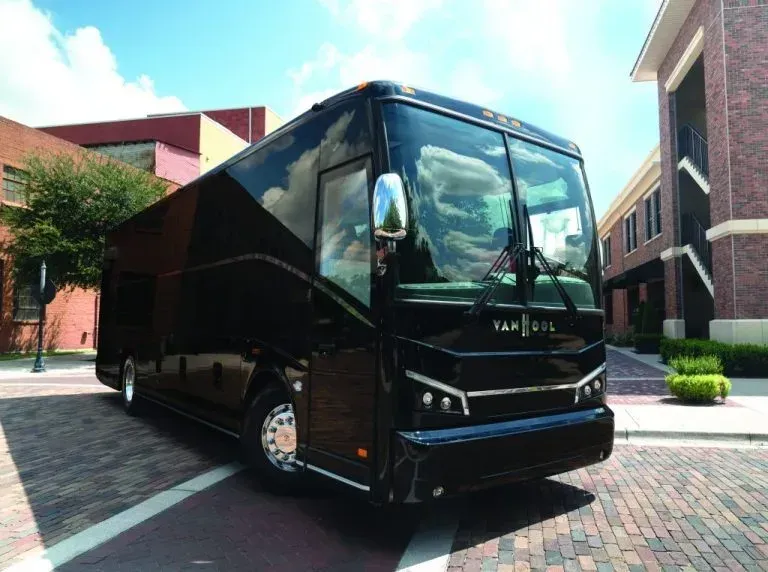
Managing transportation for a large group can rapidly become a complicated undertaking when numerous schedules, pickup plans, and travel expectations must be considered. Whether the event includes business functions, family occasions, group excursions, or special celebrations, making sure everyone arrives together and on schedule requires careful preparation. A carefully coordinated transportation plan helps eliminate complications, lessen delays, and create a more pleasant experience for every participant. By understanding the key elements of group transportation coordination, organizers can create a seamless travel experience from beginning to end.
When large groups travel together, transportation becomes more than simply moving passengers from one location to another. It plays a valuable role in shaping the complete event experience. Thoughtful planning helps support schedules, facilitate communication among passengers, and promote a smoother journey. At A1 tour bus rental Quality Express Limousine, we understand the importance of creating organized transportation solutions that help groups travel with confidence and convenience.
Plan Transportation Ahead of Time
Successful group transportation begins with early preparation. Leaving transportation planning too late may restrict options and complicate efforts to address specific group needs. Coordinators should initially determine the number of travelers, key travel dates, departure estimates, and destination expectations. Early information gathering lays the groundwork for transportation arrangements that complement the event timeline.
Planning ahead also provides opportunities to recognize potential issues before they escalate. Traffic patterns, event schedules, pickup logistics, and passenger accessibility needs can all influence transportation plans. Taking care of these elements early allows organizers to implement transportation plans that keep travelers moving effectively. Careful planning regularly produces more efficient travel experiences with fewer complications.
Identify the Group's Size and Requirements
One of the most important steps in coordinating transportation for large groups is understanding the group's size and specific requirements. Correct passenger totals help planners choose suitable vehicles while avoiding capacity-related issues. Organizers should determine attendance figures in advance and continue refining them as plans develop.
Passenger counts are important, but personal requirements within the group should also be considered. Certain passengers may need extra storage capacity, while others may require accessibility support or special arrangements. Awareness of these details supports transportation arrangements that better serve the group. Taking the time to gather comprehensive information helps create a more comfortable and efficient experience for all passengers.
Design a Well-Organized Transportation Schedule
A clear transportation schedule serves as a roadmap for the entire group. Planners need to map out departure schedules, pickup points, travel time estimates, arrival targets, and designated stops. Having a detailed schedule minimizes uncertainty and helps everyone understand where they need to be and when. Consistency and clarity are especially valuable when managing larger groups with multiple participants.
Communication is a key factor in ensuring schedules work effectively. Every passenger should receive transportation details well before the event begins. Providing schedules through digital platforms or printed copies helps maintain awareness among participants. Clear expectations help transportation operations function more effectively and smoothly.
Establish Centralized Pickup and Drop-Off Locations
Handling several pickup points can add unnecessary complications to large-group travel. Central pickup and drop-off points should be used whenever they improve convenience for participants. Consolidating gathering locations helps streamline the boarding process and reduces delays caused by coordinating multiple stops. It contributes to clearer communication and better operational performance.
Centralized locations provide additional benefits by making it easier to account for all travelers before departure. Leaders can check attendance, share important updates, and respond to questions prior to travel. This approach promotes readiness and keeps operations running according to plan. Clear designated points strongly support a coordinated travel process.
Emphasize Clear Communication Across the Entire Process
Reliable communication is essential for successful transportation management. Participants should be updated regularly on schedules, pickup details, travel expectations, and any modifications. Reliable information ensures passengers can prepare without uncertainty. Clear communication contributes to smoother operations and happier passengers.
Organizers should ensure reliable systems for distributing information before and during travel. Messaging platforms, email alerts, and assigned contacts help distribute information efficiently. Communication remains the core element that maintains alignment within transportation planning. Ongoing communication supports confidence and limits disruptions.
Prepare for Sudden Changes
No matter how detailed the plan, unexpected conditions may still arise. Conditions such as weather, traffic, timing changes, and delays may demand immediate action. Adding flexibility to plans helps coordinators respond efficiently to unexpected issues. Being prepared strengthens adaptability and keeps operations running smoothly.
Contingency strategies should include backup plans, route alternatives, and key decision contacts. Having procedures in place for handling unexpected challenges helps reduce stress and supports a more organized response. Anticipatory planning keeps operations effective even when changes occur.
Put Passenger Comfort and Convenience First
Comfort is a major factor in the overall travel experience. Large groups often spend extended periods traveling together, making convenience and comfort important considerations. Comfortable seating, structured boarding, and a well-managed environment contribute to a positive travel experience. Passenger comfort increases enjoyment and readiness upon arrival.
Convenience is an important factor in smooth transportation management. Simplified boarding processes, clear instructions, and efficient scheduling reduce unnecessary complications for passengers. Proper organization allows travelers to focus on the experience rather than planning details. A smooth and convenient trip often improves the overall success of the event.
Collaborate with Experienced Transport Providers
Managing large-group transportation requires coordination across many factors, making expert support beneficial. Skilled transport professionals understand scheduling, passenger flow, and efficient operations. Their expertise can help organizers navigate complex logistics while ensuring transportation plans remain organized and reliable.
Experienced teams offer insights that improve planning and execution. Their familiarity with group travel allows them to anticipate challenges and recommend practical solutions. By leveraging professional experience, organizers can focus on the event itself while transportation logistics are managed with attention to detail and care.
Make Transportation an Extension of the Event
Transportation functions best when integrated into the event experience. Well-coordinated transportation creates opportunities for participants to relax, connect, and begin enjoying the occasion before arriving at the destination. Good coordination contributes positively to the event experience and creates a welcoming tone.
At A1 Quality Express Limousine, we understand that successful transportation relies on planning, communication, and customer care. Managing group transportation becomes easier when effective strategies are used. By emphasizing structure, preparation, and comfort, groups can experience smooth travel that enhances any event. We are committed to creating reliable travel experiences that ensure passenger peace of mind.